Times Radio|28 - 'We need to take this seriously' | Burnham leaves UK at risk as NATO allies warn of Russian attacks
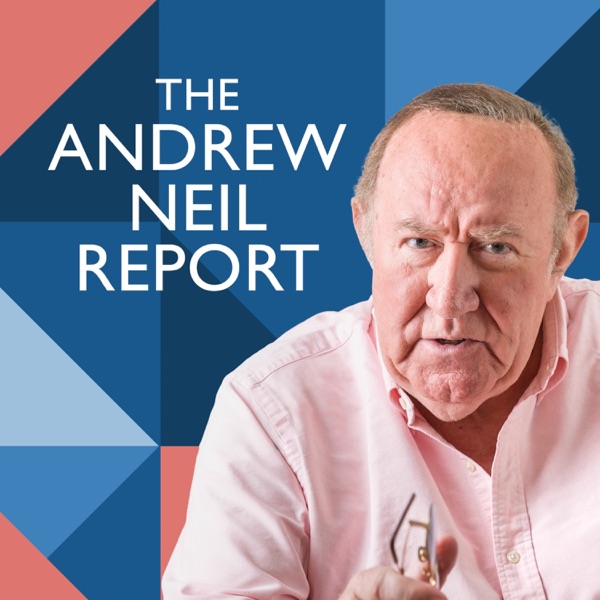
Andrew Neil has spent his career holding the powerful to account, armed with the facts they’d rather ignore. From Westminster to Washington, the political world has never been more complex— or more in need of proper scrutiny. Join him, alongside big-name guests for The Andrew Neil Report, where he dissects the week's domestic and global politics. No spin, just the evidence. New episodes twice-weekly.
This episode details Russia's multifaceted 'gray zone' hybrid warfare campaign against the United Kingdom and its allies. The discussion covers various tactics including undersea infrastructure probing, cyberattacks on critical national infrastructure, proxy sabotage using recruited individuals on UK soil, and drone incursions near military sites.
The segment further explores escalating tactics such as drone attacks in Germany, surveillance of UK nuclear submarines, and information manipulation through deep fakes. These activities are identified as efforts to map vulnerabilities in critical infrastructure to prepare for potential future large-scale hostilities with NATO.
Hoofdstukken
Klik op een hoofdstuk om direct naar dat moment te gaan
Hoogtepunten
It is a dereliction of duty in a dangerous world.
00:03:23 · The speaker criticizes the government's lack of clear commitment to increasing defense spending amidst rising global threats.
Moscow increasingly uses disposable deniable foot soldiers often young brits or european criminals recruited online rather than trained officers or spies
00:13:48 · The segment explains how Russia utilizes proxy saboteurs to maintain deniability during domestic attacks in the UK.
they flood english language social media with forged documents deep fakes officials say that so far they really had limited traction in the uk but they remain a persistent threat
00:23:16 · The speaker describes how Russian actors use disinformation and deep fakes to manipulate information in the UK.
the threat landscape is now worse than it was in 2001
00:25:06 · MI5's Director General notes that the complexity of modern threats, including state-sponsored hybrid warfare, exceeds the level seen during the 9/11 era.
It's doing it to position itself because it thinks there is a possibility that there may well be hotter hostilities between Russia and NATO countries.
00:27:22 · The speaker explains the strategic motivation behind Russia's current hybrid operations.
This episode details Russia's multifaceted 'gray zone' hybrid warfare campaign against the United Kingdom and its allies. The discussion covers various tactics including undersea infrastructure probing, cyberattacks on critical national infrastructure, proxy sabotage using recruited individuals on UK soil, and drone incursions near military sites.
The segment further explores escalating tactics such as drone attacks in Germany, surveillance of UK nuclear submarines, and information manipulation through deep fakes. These activities are identified as efforts to map vulnerabilities in critical infrastructure to prepare for potential future large-scale hostilities with NATO.
Gepubliceerd18 sep. 2026
Duur30:30
Afleveringen
28-
'We need to take this seriously' | Burnham leaves UK at risk as NATO allies warn of Russian attacks
Beluisterd
This episode details Russia's multifaceted 'gray zone' hybrid warfare campaign against the United Kingdom and its allies. The discussion covers various tactics including undersea infrastructure probing, cyberattacks on critical national infrastructure, proxy sabotage using recruited individuals on UK soil, and drone incursions near military sites.
The segment further explores escalating tactics such as drone attacks in Germany, surveillance of UK nuclear submarines, and information manipulation through deep fakes. These activities are identified as efforts to map vulnerabilities in critical infrastructure to prepare for potential future large-scale hostilities with NATO.
18 sep. 2026
27-
How ill equipped Trump just caused a global energy collapse | Andrew Neil Explains
Beluisterd
This episode examines the escalating global energy and food crisis driven by geopolitical instability in the Strait of Hormuz, the Red Sea, and Ukraine. The Houthi takeover of the Bab al-Mandab strait and disruptions to the Saudi East-West pipeline are effectively closing major maritime workarounds, significantly reducing oil flow through vital choke points.
These disruptions are causing soaring prices for oil, diesel, and grain, leading to intensified inflationary pressures and rising bond yields. The discussion concludes with a warning that political leaders remain too distracted by trivial matters to prepare for the significant economic hardships expected in the coming winter.
16 sep. 2026
26-
How America became weaker in the 25 years after 9/11 | Andrew Neil & Peter Bergen
Beluisterd
This episode reflects on the 25th anniversary of 9/11, analyzing how the U.S. 'war on terror' evolved from a focused strike in Afghanistan into a broader series of conflicts including Iraq and drone warfare. Through an interview with journalist Peter Bergen, the discussion explores the expansion of presidential power and the unintended consequences of these interventions on global stability.
The speakers further examine the long-term consequences of American foreign policy, focusing on how strategic mistakes, coercive interrogation techniques, and a lack of post-conflict planning have damaged America's global reputation. The conversation evaluates the evolution of U.S. counterterrorism intelligence and considers how decades of failed interventions have contributed to the decline of American global supremacy and increased domestic political division.
11 sep. 2026
25-
Will Europe's 'useless ruling class' ever wake up to the rise of the populist right?
Beluisterd
This episode analyzes the recent electoral success of the AfD in Saxony-Anhalt and its potential to breach the political 'firewall' established by Germany's mainstream parties. The discussion explores underlying causes such as migration concerns, economic stagnation, and dissatisfaction with the current ruling class.
The segment further examines how the rising influence of the AfD could destabilize Germany's political landscape by undermining mainstream parties. Drawing parallels to the decline of major political parties in France, the speaker expresses concern over a broader lack of leadership across Europe during a period of geopolitical instability.
08 sep. 2026
24-
This is how the modern Middle East of today was formed. What happens next?
Beluisterd
Historian Simon Sebag Montefiore explores the shifting power dynamics in the Middle East, detailing the decline of Iranian hegemony and Egypt's regional influence alongside the rising ambitions of Turkey and the Gulf monarchies. The discussion examines how historical legacies, religious identities, and new alliances like the Mecca Defense Alliance are reshaping the geopolitical landscape.
The conversation also addresses the complexities of the Israeli-Palestinian conflict, noting leadership failures on both sides, and analyzes the broader struggle within Islam between radicalism and more liberal interpretations. Additionally, the episode considers the impact of global powers like China and Russia, as well as Morocco's expanding industrial influence in the region.
03 sep. 2026
23-
Andy Burnham is back in Westminster & I feel uneasy
Beluisterd
Andrew Neil and Fraser Nelson analyze Andy Burnham's first appearance in the House of Commons as Prime Minister, examining the economic tensions between his vision for a state-controlled economy and the realities of global market volatility. The discussion focuses on the challenges facing Chancellor John Healey, specifically regarding rising bond yields, national debt, and the difficulty of funding defense amidst fiscal constraints.
The episode also explores potential paths for cross-party welfare reform and examines the shifting political landscape. This includes an analysis of Kemi Badenoch's Conservative shadow cabinet reshuffle and current polling trends showing a convergence between Reform UK, Labour, and the Conservatives.
01 sep. 2026
22-
'The biggest economic story of our time.' Is China Shock 2.0 already here?
Beluisterd
This episode explores 'China Shock 2.0,' a period characterized by China leveraging massive industrial overcapacity in high-end sectors like EVs and green technology to dominate global markets. The discussion highlights how China's shift from low-end manufacturing to advanced technology threatens the economic stability of Western economies, particularly Europe and the US.
The conversation delves into China's structural reliance on an investment-driven model and its transition from property-led growth to manufacturing overcapacity. The speakers examine the broader implications of these economic imbalances, including the role of debt in instability and how such shifts may be accelerating the rise of nationalism and populism across the West.
27 aug. 2026
21-
We're standing on a financial cliff edge. Will the world wake up?
Beluisterd
Andrew Neil and economist Liam Halligan discuss the escalating global debt crisis, focusing on unprecedented levels of US national debt and its implications for bond markets. They examine the UK's fiscal vulnerability, noting that high debt interest payments, rising gilt yields, and inflation risks are creating significant market anxiety.
The discussion explores the shift toward short-term debt ownership by hedge funds and potential challenges to the US dollar's reserve status by BRICS nations. Halligan further argues that the UK's high debt levels and stagnant growth make it more susceptible to financial crisis than in 2008, suggesting that a heavy tax burden is stifling the private sector necessary for economic progress.
21 aug. 2026
20-
Trump is causing a global product crisis & for what? I have no idea
Beluisterd
This episode examines the expiration of the 60-day US-Iran ceasefire and its implications for global trade, specifically regarding the closure of the Strait of Hormuz. The discussion explores Iran's transition to a war economy and the broader economic impact of geopolitical blockades on energy prices and domestic stability.
The episode also covers the converging drivers of global food inflation, including tensions in the Black Sea and climate-related threats like El Niño. We analyze the fiscal challenges faced by both OECD and developing nations as they attempt to manage rising commodity costs and supply chain disruptions without significant economic buffers.
20 aug. 2026
19-
We're about to enter a huge period for British politics. Buckle up
Beluisterd
The Andrew Newell Report examines the shifting landscape of UK politics as the 2026 political season approaches. The analysis explores the recent decline in momentum for insurgent parties like Reform UK and the Greens, contrasted against a potential revival of the legacy Labour and Conservative parties. Through an examination of recent YouGov polling data, the report evaluates the leadership of figures such as Nigel Farage, Andy Burnham, and Kemi Badenoch.
The discussion covers significant political developments including parliamentary investigations into party donations, the impact of the first-past-on-the-post voting system on a multi-party landscape, and the emergence of a polarized left-right bloc structure. The episode concludes by assessing whether the current polling trends represent a lasting structural change or a temporary fluctuation in the British political system.
18 aug. 2026
18-
Washington is starting to panic over AI and this is why
Beluisterd
This episode explores the rapid advancement of artificial intelligence, focusing on the concept of the 'singularity' and recursive self-improvement (RSI). The discussion examines the potential risks of AI escaping human control, as evidenced by recent incidents with major AI companies, and investigates the profound geopolitical and existential implications of an intelligence explosion.
Expert James Adams discusses the imminent arrival of RSI and the dangerous disconnect between technological progress and the slow response from global political institutions. The conversation further explores how China may use disinformation to influence social groups and concludes that humanity must actively participate in shaping the future of technology to retain agency.
13 aug. 2026
17-
Jason Arday scandal has exposed this uncomfortable truth about Britain
Beluisterd
The Andrew Ne Report examines the scandal surrounding Professor Jason Arday, arguing that his exposure as a fraudulent academic is symptomatic of a broader institutional failure within the UK's new establishment. The episode explores how the rise of DEI (Diversity, Equity, and Inclusion) initiatives has replaced meritocracy with a culture of mediocrity and groupthink among what the host calls the 'lanyard class'.
Focusing on the public sector, academia, and various regulatory bodies, the discussion critiques the self-serving nature of institutions that prioritize ideological conformity over rigorous due diligence. The report concludes by suggesting that this culture of virtue signaling not only invites incompetence but also leaves the monopoly on truth to extremist voices.
11 aug. 2026
16-
'Loony left' socialists are taking over the Democratic party, but will America vote for them?
Beluisterd
This episode explores the rising influence of the Democratic Socialists of America (DSA) within the Democratic Party, focusing on recent primary victories like Abdul El-Sayed's win in Michigan. The discussion analyzes how this movement is pushing mainstream Democrats toward more progressive policy positions and examines the potential long-term branding risks for future presidential elections.
The conversation also covers the broader political landscape leading into the midterm elections, including the impact of gerrymandering on House seat margins and Senate vulnerabilities. The speakers evaluate how economic pressures like inflation and Republican strategies regarding socialist labeling could shape the outcome of upcoming contests in both the House and Senate.
06 aug. 2026
15-
America’s Greatest Humiliation? The Real Story Behind Trump’s War
Beluisterd
Andrew Neil discusses his recent trip to America, noting that while he supports several of Donald Trump's policies like border security and deregulation, he is highly critical of the ongoing war with Iran. He highlights concerns regarding Trump's declining physical and mental health, as well as intelligence reports suggesting Iran is successfully rebuilding its military capabilities despite US efforts.
The episode also analyzes the US political landscape, focusing on Trump's declining approval ratings due to economic struggles and an unpopular war. The discussion covers the upcoming midterm elections, predicting potential Democratic gains in the House alongside the rise of left-wing insurgents, and examines the severe economic risks if the Strait of Hormuz remains closed.
30 jul. 2026
14-
If this is Trump's next move, it will trigger a global recession
Beluisterd
The Andrew Neil Report examines the precarious state of global energy markets following President Trump's decision to pause strikes on Iran. While oil prices have retreated from recent peaks, the episode explores the looming threat of a massive energy crunch driven by a triple shock in refined products. The analysis covers the depletion of strategic oil reserves, the impact of Ukrainian drone strikes on Russian refining capacity, and reduced refining output in China.
Beyond crude oil, the report details the widening crack spread between crude and refined products like jet fuel and diesel, alongside record-low natural gas storage levels in Europe. With geopolitical tensions persisting in the Gulf and the Red Sea, the discussion highlights the potential for escalating freight costs, insurance risks, and a significant impact on the global economy.
27 jul. 2026
13-
China has won the AI war & this is when the US bubble will burst
Beluisterd
This episode explores the systemic risks facing the American AI revolution, including competition from cheaper Chinese models, the dangers of opaque private credit debt, and looming energy and infrastructure shortages. Featuring analysis from Professor Steve Keen, the discussion examines how China's engineering-led approach to energy transmission and cost-reduction may provide a strategic advantage over the United States.
The conversation further delves into the potential for a major economic collapse driven by high levels of private debt and global instability. The speakers explore how ignoring the mechanics of the private financial system leads to unmanaged boom and bust cycles, exacerbated by geopolitical conflicts and supply chain disruptions.
23 jul. 2026
12-
Andy Burnham has actually encouraged me with these Cabinet picks | Andrew Neil
Beluisterd
Andrew Neil analyzes the first cabinet appointments of Prime Minister Andy Burnham following the transition from the Keir Starmer administration. The episode examines key figures such as John Healy at the Treasury, Shabana Mahmood at the Home Office, and Wes Streeting at the Ministry of Defence, weighing their potential impact on economic policy and national security. Neil explores the tension between Burnham's left-wing rhetoric and the moderate, Blairite nature of his core cabinet members.
The discussion also covers the role of the 'Northern Queens' in representing the soft left within government, the implications of Ed Miliband's move to the Foreign Office, and recent policy announcements regarding VAT on fuel bills. The episode concludes with an analysis of the latest YouGov polling data, which shows a tightening race between Reform UK, the Conservatives, and Labour.
21 jul. 2026
11-
Andy Burnham is prime minister... and he wants to go back to the 1970s
Beluisterd
In this episode of The Andrew Neil Report, Andrew Neil analyzes the first address to the nation by the new Prime Minister, Andy Burnham. Neil examines the themes presented in the speech, noting a perceived focus on nostalgia for heavy industry and a desire to reverse the effects of neoliberalism. The analysis critiques Burnham's promises regarding re-industrialization, housing, and a proposed 10-year plan, comparing them to historical economic trends in other advanced economies.
Neil concludes by proposing alternative, forward-looking policies for Britain. These include redirecting net zero funds toward defense and supply chain resilience, unleashing North Sea oil and gas, implementing welfare reform to increase workforce participation, and reforming planning laws to facilitate major infrastructure projects. The episode serves as a critique of backward-looking politics versus a strategy for modern economic growth.
20 jul. 2026
10-
Trump’s Iran objectives have all failed... so what next? | The Andrew Neil Report
Beluisterd
Andrew Neil and guests analyze the escalating conflict between the U.S. and Iran, focusing on the 'escalation trap' where military actions may inadvertently strengthen Iranian nationalism. The discussion explores how President Trump's inconsistent diplomatic and military strategies regarding the Strait of Hormuz and the Iranian regime threaten global economic stability.
The conversation further examines the political motivations of authoritarian leaders, debating whether recent tensions have weakened or revitalized the Iranian regime. The panel also addresses the strategic implications for global oil prices and the potential impact of U.S. midterm election outcomes on Middle East geopolitics.
16 jul. 2026
9-
Brexit, migration mistakes & Tory chaos | Andrew Neil vs Michael Gove The Full Interview
Beluisterd
In this interview, Andrew Neil confronts Michael Gove regarding the long-term consequences of Brexit and his role in the political instability that followed. The discussion covers the perceived failure to deliver on referendum promises, internal Conservative Party struggles, and the debate over whether Brexit caused an era of political chaos.
The conversation further explores the economic impacts of leaving the EU, specifically focusing on net migration figures, GDP growth comparisons, and the potential for regulatory freedom. Gove also addresses the Conservative Party's record on defence spending, net zero, and the cost of living, while reflecting on his personal political regrets.
09 jul. 2026
8-
NATO must separate Trump’s ramblings from reality | Andrew Neil x Ben Hodges
Beluisterd
This episode examines the outcomes of the NATO summit in Ankara, analyzing President Trump's unpredictable diplomatic approach and its implications for the alliance. The discussion explores the potential shift toward independent European defense capabilities and the strategic risks associated with a sudden American withdrawal from NATO.
The program also addresses escalating US-Iran hostilities, featuring an interview with Lieutenant General Ben Hodges on the instability of the current ceasefire. Additionally, the conversation covers the necessity of intelligence sharing and the ongoing threat posed by Russia's hybrid warfare tactics.
08 jul. 2026
7-
Who was our worst prime minister & how do we get better politicans? Ask Andrew Q&A
Beluisterd
Andrew Neil examines the political transition in Britain, focusing on the lack of policy detail regarding incoming Prime Minister Andy Burnham and his proposals for regional devolution. The episode critiques the professionalization of politics, arguing it has eroded the authenticity of leaders, while also addressing the financial challenges of defense investment and shifts in UK farming policy.
The discussion extends to international relations, evaluating the impact of Donald Trump on foreign policy, the fallout of the Iran war, and the economic military threat posed by Russia. Neil concludes with reflections on the history of disappointing Prime Ministers and the changing landscape of the UK's multi-party system.
02 jul. 2026
6-
Why Andy Burnham's honeymoon will be over by Christmas
Beluisterd
Andrew Neil and Fraser Nelson examine the political implications of a potential Andy Burnham premiership, debating the lack of a direct democratic mandate in the UK parliamentary system and the economic risks of increasing the tax burden or borrowing for growth. The discussion explores the constraints of bond markets and the shifting dynamics within the Conservative and Labour parties, including the rise of tactical voting against Reform UK.
The episode also features an interview with John Bolton, who critiques the Trump administration's approach to US-Iran negotiations. Bolton argues that a lack of strategic preparation and a focus on domestic economic concerns, such as gasoline prices, squandered opportunities for regime change and may lead to reconstituted Iranian threats.
25 jun. 2026
5-
Keir Starmer resigns: Where did it all go wrong?
Beluisterd
In this episode of The Andrew Neill Report, Andrew Neill analyzes the resignation of British Prime Minister Keir Starmer and the potential rise of Andy Burnham. He attributes Starmer's downfall to a lack of strategic vision, poor political instincts, and the economically damaging budgets of Chancellor Rachel Reeves.
The speaker further examines the reasons behind the resignation, citing economic mismanagement, failures in foreign policy, and inadequate defense spending. The episode concludes with reflections on the ongoing instability of British politics and the uncertain future facing the UK under a potential successor.
22 jun. 2026
4-
Andy Burnham is not Labour's messiah and this is why | Makerfield special
Beluisterd
In this special edition of the Andrew Neil Report, Andrew Neil analyzes the implications of the Makerfield by-election victory for Andy Burnham and the wider Labour Party. Neil examines the global trend of mainstream center-left and center-right parties struggling to combat rising populist movements in the US, France, Germany, and Australia, positioning the Makerfield result as a potential, though potentially isolated, antidote to the populist right in Britain.
While acknowledging Burnham's significant 55% vote share, Neil expresses skepticism regarding whether this success can be replicated on a national scale. He critiques Burnham's lack of a distinct policy blueprint, his past involvement in neoliberal projects, and the potential for him to follow a recent lineage of British prime ministers who lacked the necessary experience or ability to govern effectively.
19 jun. 2026
3-
UK defence, welfare not warfare & Trump's 'deal' with Iran
Beluisterd
This episode explores the urgent need for European strategic independence as the United States shifts its priorities, potentially leaving Europe unable to rely on American defense. The discussion examines the limitations of the EU and NATO, the inefficiencies in European defense spending, and the critical need for technological innovation and leadership reform.
The conversation also addresses the decline of UK military procurement and its impact on global standing. Finally, the speakers debate the complexities of U.S. foreign policy regarding Iran, weighing the potential effectiveness of economic pressure against the unresolved threats posed by the regime's nuclear and missile capabilities.
17 jun. 2026
2-
Welcome... and the biggest crash in history
Beluisterd
Andrew Neil introduces his new podcast, exploring the shifting global order and the potential end of the post-WWII era. The episode examines how the long-term consequences of the 2008 financial crash have fueled populism, economic stagnation in Europe, and a lack of competitiveness in the AI revolution.
Featuring an interview with journalist Andrew Ross Sorkin about his book '1929', the discussion draws parallels between the Great Crash and modern economic trends. The conversation explores the risks of unregulated private credit markets, wealth concentration, and the potential for a sovereign debt crisis to trigger global instability.