

Maarten van Rossem & Tom Jessen
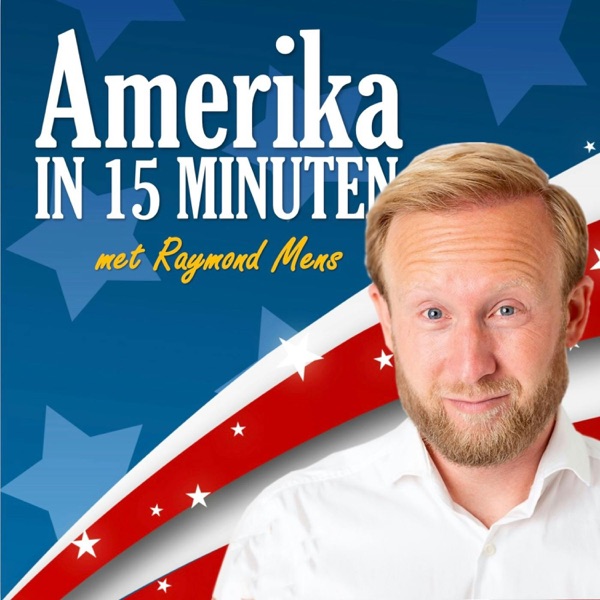
Amerika in 15 minuten is een Nederlandstalige podcast die wordt geproduceerd en gepresenteerd door politiek analist en Amerikakenner Raymond Mens. Zoals de titel aangeeft, biedt het programma in korte sessies van ongeveer een kwartier een overzicht van de belangrijkste politieke en maatschappelijke ontwikkelingen in de Verenigde Staten. De podcast fungeert als een bron van informatie voor een publiek dat op de hoogte wil blijven van de Amerikaanse actualiteit zonder daarvoor uitgebreide nieuwsberichten of langdurige debatten te hoeven volgen.
De inhoud van de afleveringen concentreert zich op de dynamiek binnen de Amerikaanse politiek, met specifieke aandacht voor de verhoudingen tussen de Democratische en Republikeinse partijen, de koers van het Witte Huis en de voortgang van diverse verkiezingscycli. Mens analyseert hierbij de strategieën van politieke kopstukken, de impact van beleid op de Amerikaanse samenleving en de wijze waarop Amerikaanse media verslag doen van deze gebeurtenissen. De focus ligt niet alleen op nationale kwesties, maar ook op lokale trends en sentimenten die de koers van het land beïnvloeden.
Een vast en essentieel onderdeel van de podcast is de interactie met de luisteraars. In elke aflevering beantwoordt de gastheer specifieke vragen die door het publiek zijn ingestuurd. Deze vragen lopen uiteen van verzoeken om historische duiding van politieke processen tot vragen over de dagelijkse actualiteit in Washington D.C. en daarbuiten. Door deze opzet combineert de podcast actuele verslaglegging met educatieve elementen over het Amerikaanse staatsbestel.
De toon van de podcast is informatief en analytisch. Raymond Mens hanteert een toegankelijke stijl waarbij hij complexe politieke fenomenen tracht te vertalen naar een begrijpelijk kader voor de Nederlandse luisteraar. Het programma verschijnt met een hoge frequentie, vaak meerdere keren per week, waardoor het nauw aansluit op de Amerikaanse nieuwscyclus. Hiermee biedt Amerika in 15 minuten een gestructureerde en feitelijke samenvatting van de staat van de Amerikaanse democratie.
Geen beschrijving van de aflevering beschikbaar.
Deze afleverking analyseert de recente politieke spanningen in het Amerikaanse Congres, waarbij de focus ligt op de beslissing van Mike Johnson om het Huis van Afgevaardigden te ontbinden. De discussie behandelt de mogelijke afzettingsprocedure tegen minister van Defensie Pete Hegseth en de strategische implicaties voor de Republikeinen tijdens de verkiezingen. Daarnaast wordt ingegaan op de toekomst van het 'Trumpisme' en de vraag of een opvolger zoals Marco Rubio of J.D. Vance een meer traditionele invulling aan het presidentschap zal geven. Verder wordt de discussie over de 'fairness doctrine' in de Amerikaanse media behandeld, naar aanleiding van het niet uitzenden van een interview met de Democratische senaatskandidaat James Tallarico op televisie. De spreker reflecteert op de rol van grote mediabedrijven zoals Disney en hun bereidheid om zich aan te passen aan politieke druk, wat hij bestempelt als een laf houding die de democratie kan ondermelijke.
Deze podcastafleverking behandelt de recente controverse rondom de bruiloft van Donald Trump junior, waarbij wordt gesuggereerd dat een Russische oligarch de kosten voor het evenement heeft betaald. De presentator bespreekt de politieke implicaties van deze vermeende betalingen en de reacties van Amerikaanse politici, waaronder senator Chris Murphy, die spreekt over 'naakte corruptie'. Daarnaast wordt de rol van de nieuwe minister van Justitie, Todd Blanche, en de directeur van de FBI, Kash Patel, geanalyseerd in relatie tot mogelijke onderzoeken naar deze financiële banden. De aflevering werpt vragen op over de onafhankelijkheid van Amerikaanse overheidsinstanties wanneer het gaat om de directe familieleden van de president.
Deze aflevering analyseert de geopolitieke en economische implicaties van kunstmatige intelligentie, met een focus op de visie van president Trump. De presentator bespreekt hoe Trump AI ziet als een cruciale competitie tussen de Verenigde Staten en China, waarbij hij pleit voor ongebreidelde ontwikkeling zonder regelgeving om de economische en militaire macht te waarborgen. Er wordt dieper ingegaan op de zorgen van tech-leiders zoals Dario Amodei van Anthropic over de verantwoordelijkheid van private bedrijven versus de overheid. Daarnaast behandelt de podcast de bredere economische context in de VS, waarbij de groei van de beurs en investeringen in datacenters worden afgezet tegen een matige banengroei. De aflevering sluit af met een reactie op luisteraarsvragen over de Amerikaanse buitenlandse politiek richting Oekraïne en de mogelijke spanningen rondom de tussentijdse congresverkiezingen.
In deze podcastafleverking bespreekt de host de toenemende druk vanuit het Witte Huis op Oekraïne. President Trump en zijn team, waaronder Jared Kushner, uiten kritiek op de Oekraïense aanvallen op Russische raffinaderijen vanwege de impact op de wereldwijde dieselprijzen en leggen de verantwoordelijkheid voor een deal grotendeels bij president Zelensky. Daarnaast behandelt de host een vraag over de enorme macht van voormalig vicepresident Dick Cheney onder Bush en de invloed die hij had op het buitenlandbeleid. Tot slot wordt ingegaan op de juridische aspecten van Trumps belofte om kiezers 5000 dollar toe te zeggen bij een verkiezingsoverwinning voor zijn partij.